



Few candies are as deeply rooted in Swiss childhood memories as Sugus. The brightly colored chewy squares have been part of everyday life for decades, from office bowls to birthday parties, and even lent their name to nine apartment buildings in Zurich. But the nostalgic treat is now facing an unexpected backlash.
The U.S. food giant Mars Wrigley, which owns Sugus alongside household names like M&M’s, Snickers, and Skittles, has quietly altered the recipe. The change, meant to modernize the product, has instead stirred a wave of frustration among loyal fans who say the candy no longer tastes the same.
A “Healthier” Recipe That Didn’t Land Well
At first glance, the modification sounds harmless, even progressive. Sugus is now officially gluten-free and vegetarian, a move that reflects Mars Wrigley’s wider push toward plant-based and “cleaner” ingredient lists. The company presented the change as an effort to align with evolving customer preferences and environmental goals.
But the reaction in Switzerland tells a different story. Fans immediately noticed something was off when the new version hit the shelves earlier this year. The texture changed, the flavor seemed different, and nostalgia gave way to disappointment.
Kurt Schwendener of sweets.ch reported being inundated with complaints – more than 500 emails and nearly 200 critical Facebook comments since January. “The feedback was 100 percent negative, some of it very strong,” he said. Sales also collapsed: “We’ve now decided to stop selling Sugus altogether.”
Retailers Feel the Drop
The uproar wasn’t limited to specialty stores. Major Swiss retailers Migros and Coop both confirmed a noticeable drop in Sugus sales since the recipe change. A Coop spokesperson explained: “Demand has dropped significantly. We’ve received a lot of feedback from customers who are disappointed by the changes.”
In other words, the new “modern” Sugus has failed to sweeten public opinion. What Mars Wrigley framed as a sustainability-driven upgrade is, to many Swiss consumers, the end of a beloved classic. For now, the company is standing by its decision, insisting that the new formula is more in tune with global trends and dietary needs.
Vegan Is Trending, But Not Always Thriving
Sugus isn’t the first iconic brand to rethink its ingredients. A broader shift toward plant-based and vegan products has reshaped the food industry, even among heritage brands known for their traditional recipes.
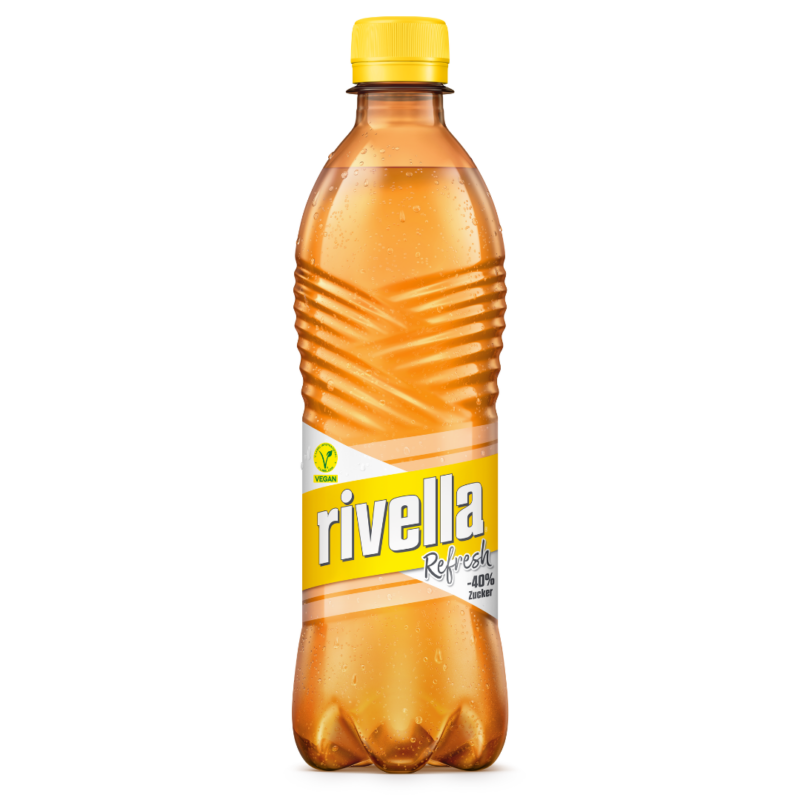
Swiss beverage maker Rivella, for example, launched a completely vegan yellow version of its famous drink in March 2024. The new Rivella is lactose-free and contains roughly 40 percent less sugar than the classic red version, a clear attempt to reach younger, health-conscious consumers.
Italian confectionery giant Ferrero also made waves by introducing Nutella Plant-Based, a vegan spin on its legendary hazelnut spread. It’s the first major change to the 60-year-old recipe, though so far the vegan version has only been rolled out in select European countries, not yet in Switzerland.
KitKat’s Vegan Gamble That Didn’t Pay Off
Not every plant-based experiment has been a success. When Nestlé launched the KitKat V in 2022, the response was initially promising. Vegan consumers across Europe embraced the idea, and the company announced plans for a full continental rollout.
But enthusiasm faded quickly. By early 2025, Nestlé admitted that demand had declined and production costs were too high. In January, the company announced that KitKat V would be discontinued in all markets except the UK. For many observers, it was a reminder that while vegan alternatives appeal to a growing niche, they rarely replicate the emotional connection of the originals.
Ricola: A Pioneer Without Trying
Interestingly, Ricola, one of Switzerland’s most beloved confectionery brands, never needed to “go vegan.” The famous herbal drops have been lactose-free and plant-based ever since their creation in 1930. What was once a simple recipe built around herbs and sugar now feels surprisingly ahead of its time.
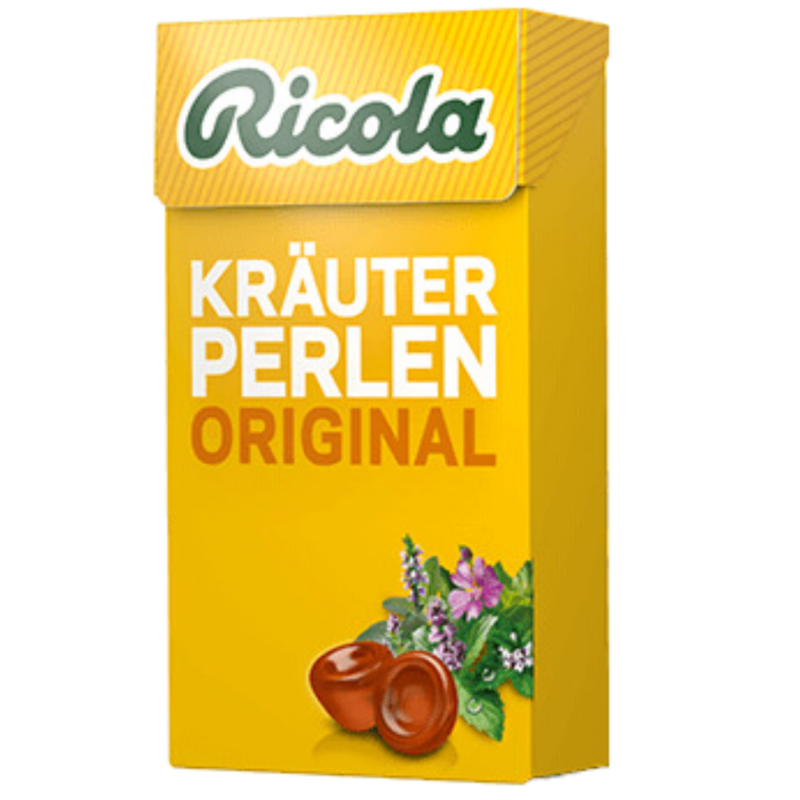
As Ricola’s quiet consistency contrasts with the turbulence surrounding Sugus, it highlights a simple truth: not every product benefits from reinvention. Sometimes, tradition itself is the recipe for success.
A Bitter Aftertaste for a Sweet Classic
For generations of Swiss candy lovers, Sugus was more than a snack. It was a piece of cultural identity. That’s why the quiet recipe change hit such a nerve. While Mars Wrigley sees the update as progress toward inclusivity and sustainability, fans see it as the loss of a familiar taste that linked them to their childhood.
The controversy around Sugus mirrors a broader tension in the food industry: the struggle to modernize without alienating loyal consumers. Whether the backlash will push Mars Wrigley to reconsider or if time will sweeten opinions remains to be seen. But for now, the country that helped make Sugus iconic seems to have lost its taste for it.
